

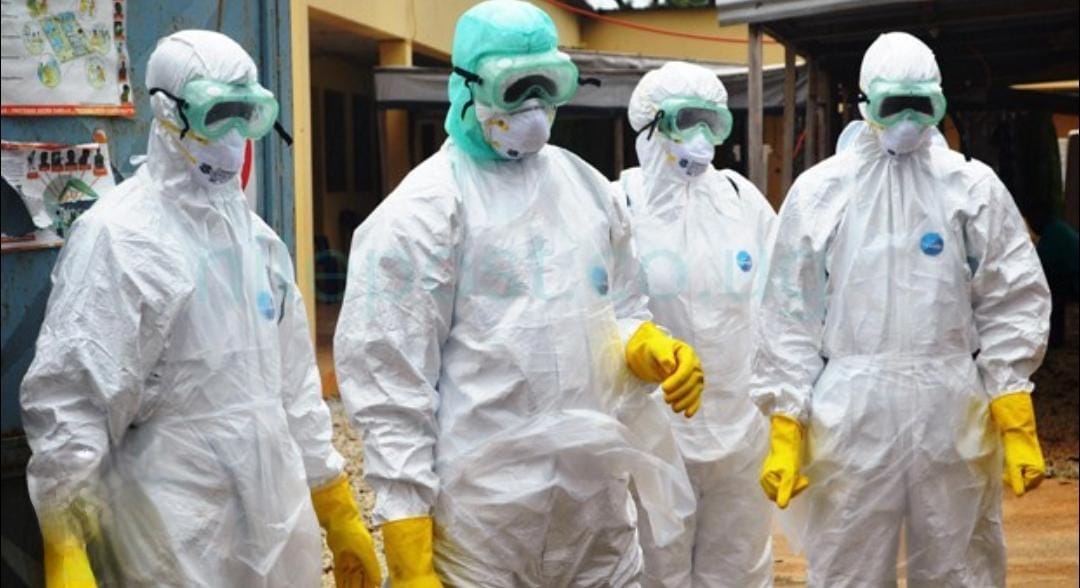
The Ministry of Health has confirmed a case of Crimean-Congo haemorrhagic fever (CCHF) in Kyankwanzi District, raising fresh concerns over the spread of the highly fatal viral disease.
In a statement issued on Wednesday, the ministry said laboratory tests conducted on samples from a 21-year-old male nurse from Kagalama Village in Butemba Town Council returned positive results for the virus.
According to health officials, the patient initially sought treatment at a local drug shop before his condition worsened. He was later isolated and placed under supportive treatment, and a formal case investigation was launched.
The nurse, who also keeps livestock and operates a private drug shop, was admitted to St. Peter’s Hospital in neighbouring Kiboga District on February 2.
He presented with a three-day history of non-bloody diarrhoea, vomiting, loss of appetite, joint pains, conjunctivitis, epigastric burning pain, chest pain, and unexplained bleeding from the nose and gums.
The Ministry of Health confirmed that eight individuals who came into contact with the patient have been identified and are currently under close monitoring in Kyankwanzi and Kiboga districts.
According to the World Health Organisation (WHO), Crimean-Congo haemorrhagic fever is a tick-borne viral disease transmitted to humans through tick bites or direct contact with infected blood or bodily fluids.
The disease is endemic in parts of Africa, the Balkans and the Middle East.
CCHF carries a high fatality rate, ranging between 10 and 40 percent among those infected. While it affects both humans and animals, infected animals often show no obvious symptoms, though they may experience complications such as abortion.
Humans are particularly at risk through contact with infected livestock or ticks.
Efforts to combat the disease are already underway. Last year, the Uganda Virus Research Institute (UVRI), in collaboration with the MRC/UVRI & LSHTM Uganda Research Unit, launched a research project aimed at developing a vaccine against CCHF.
Speaking at the launch, UVRI Executive Director Prof Pontiano Kaleebu underscored the importance of the initiative.
“This is an important project contributing to our goal of building capacity in vaccine research and development,” Prof. Kaleebu said.
“Crimean-Congo haemorrhagic fever is highly fatal, with between 10 and 40 percent of infected individuals dying. It affects both humans and animals. In animals it may not show obvious symptoms, but it can cause abortions, and it is transmitted through ticks or contact between infected animals and humans.”
Health authorities are urging the public, particularly livestock keepers and health workers, to remain vigilant.
Communities have been advised to avoid direct contact with blood or bodily fluids of sick individuals and animals, use protective gear when handling livestock, and seek immediate medical attention if symptoms such as sudden fever, bleeding or severe weakness occur.
The Ministry of Health has assured the public that surveillance, contact tracing and response measures have been intensified to prevent further spread of the virus.
